How many calories are in an emergency food supply?
An emergency food supply is sold by "servings" and "days" - almost never by calories. Here is what 69 one-person survival food kits from 8 US brands actually deliver per person, per day, plus what they cost and how long they keep - so you can pick one that truly feeds you. Every figure is from the maker's own label.
Compare every kit
Show only these brands (tap one or more)
-
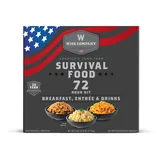 2,260 kcal/dayfull day
-
 2,225 kcal/dayfull day
-
 2,224 kcal/dayfull day
-
 2,212 kcal/dayfull day
-
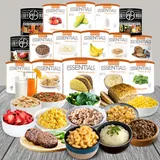 2,191 kcal/dayfull day
-
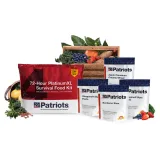 2,133 kcal/dayfull day
-
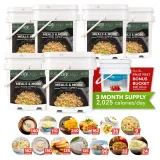 2,088 kcal/dayfull day
-
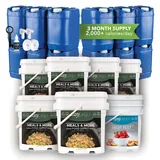 2,088 kcal/dayfull day
-
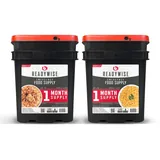 2,085 kcal/dayfull day
-
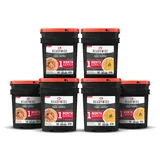 2,085 kcal/dayfull day
-
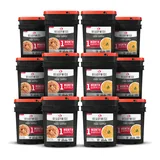 2,085 kcal/dayfull day
-
 2,084 kcal/dayfull day
-
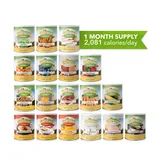 2,081 kcal/dayfull day
-
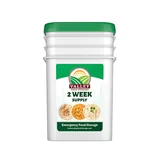 2,079 kcal/dayfull day
-
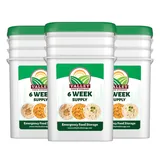 2,079 kcal/dayfull day
-
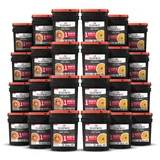 2,065 kcal/dayfull day
-
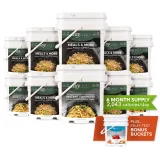 2,043 kcal/dayfull day
-
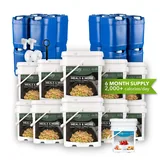 2,043 kcal/dayfull day
-
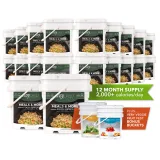 2,041 kcal/dayfull day
-
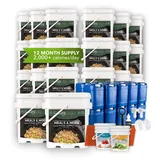 2,041 kcal/dayfull day
-
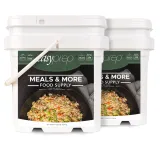 2,025 kcal/dayfull day
-
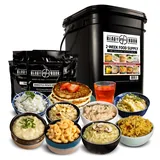 My Patriot Supply2,001 kcal/dayfull day
-
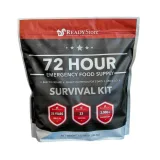 2,000 kcal/dayfull day
-
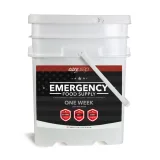 2,000 kcal/dayfull day
-
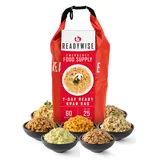 1,988 kcal/day95% of 2,100
-
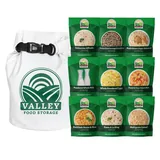 1,976 kcal/day94% of 2,100
-
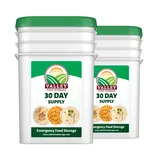 1,940 kcal/day92% of 2,100
-
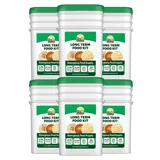 1,940 kcal/day92% of 2,100
-
 1,940 kcal/day92% of 2,100
-
 1,929 kcal/day92% of 2,100
-
 1,913 kcal/day91% of 2,100
-
 1,888 kcal/day90% of 2,100
-
 1,888 kcal/day90% of 2,100
-
 1,888 kcal/day90% of 2,100
-
 1,862 kcal/day89% of 2,100
-
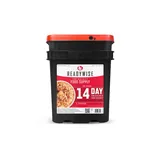 1,827 kcal/day87% of 2,100
-
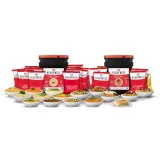 1,823 kcal/day87% of 2,100
-
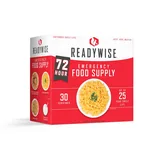 1,820 kcal/day87% of 2,100
-
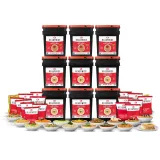 1,815 kcal/day86% of 2,100
-
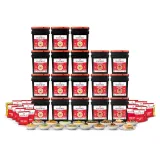 1,815 kcal/day86% of 2,100
-
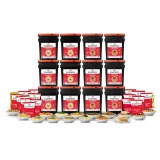 1,813 kcal/day86% of 2,100
-
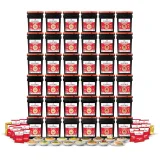 1,811 kcal/day86% of 2,100
-
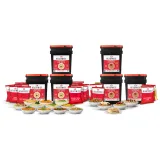 1,803 kcal/day86% of 2,100
-
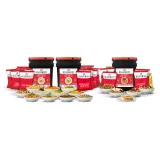 1,800 kcal/day86% of 2,100
-
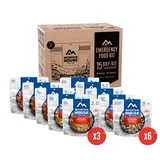 1,732 kcal/day82% of 2,100
-
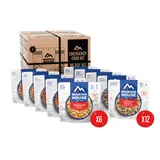 1,732 kcal/day82% of 2,100
-
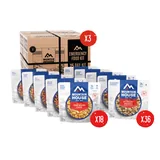 1,732 kcal/day82% of 2,100
-
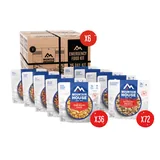 1,732 kcal/day82% of 2,100
-
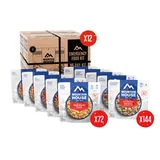 1,732 kcal/day82% of 2,100
-
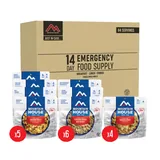 1,719 kcal/day82% of 2,100
-
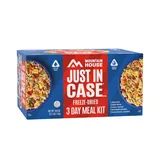 1,706 kcal/day81% of 2,100
-
 1,700 kcal/day81% of 2,100
-
 1,700 kcal/day81% of 2,100
-
 1,700 kcal/day81% of 2,100
-
 1,700 kcal/day81% of 2,100
-
 1,676 kcal/day80% of 2,100
-
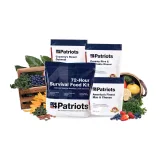 1,600 kcal/day76% of 2,100
-
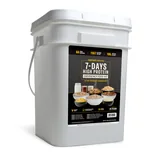 1,567 kcal/day75% of 2,100
-
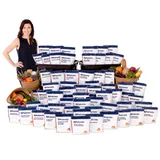 1,551 kcal/day74% of 2,100
-
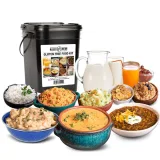 1,543 kcal/day73% of 2,100
-
 1,530 kcal/day73% of 2,100
-
 1,446 kcal/day69% of 2,100
-
 1,400 kcal/day67% of 2,100
-
 1,391 kcal/day66% of 2,100
-
 1,349 kcal/day64% of 2,100
-
 1,333 kcal/day63% of 2,100
-
 1,320 kcal/day63% of 2,100
-
 1,319 kcal/day63% of 2,100
-
 1,302 kcal/day62% of 2,100
Calories/day = each kit's own published total divided by the days it claims to feed one person. Multi-person and multi-supply "bundle" kits are excluded so every figure is per one person. Nothing here is live pricing; follow any name to the maker's page to confirm before buying.
Which kits actually deliver a full day
Read positively: the point of this data is to find the kits that genuinely feed a person. Of the 69 one-person kits, 24 reach a full 2,000-calorie day, and the strongest clear the 2,100 kcal humanitarian mark with room to spare. Here is how the whole set splits by what it delivers per person per day:
What a day of calories actually costs
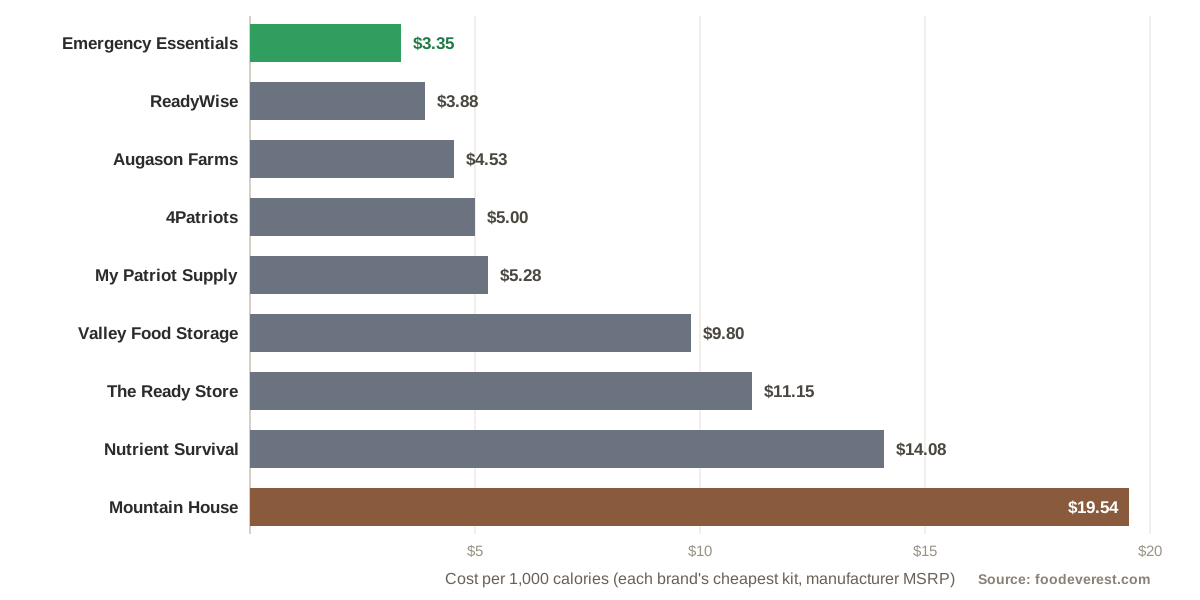
Same calories, very different prices. Priced by each brand's cheapest kit, 1,000 emergency calories runs from $3.35 (Emergency Essentials) to $16.63 (Mountain House, its 1-Year Emergency Food Supply, sold out that day) - about 5.0× more. Prices are what each brand's own store charged on October 27, 2026, sale prices included. Premium freeze-dried costs the most per calorie; budget buckets stretch a dollar furthest.
One more axis to weigh: shelf life. The longest verified figure here is 30 years, but that is manufacturer-stated and conditional - freeze-dried staples hold that long only in cool storage, and far less in a hot garage or attic.
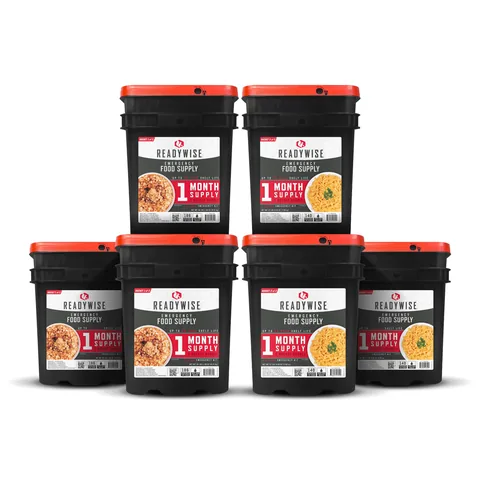
If you want a kit that reliably delivers a full day, ReadyWise had the most one-person kits you could buy that clear 2,000 kcal per day (6 on October 27, 2026). The Ready Store lists 11, but 3 are the same food sold with water containers added and 3 were sold out. A representative choice is the ReadyWise 3 Month Emergency Food Supply, which works out to about 2,085 kcal per person per day ($4.32 per 1,000 kcal) - at the 2,000-calorie mark rather than short of it.
Want the winner for value, protein or shelf life too? See every category pick in the best emergency food supply roundup. Prefer to pack your own from single pouches and cans? Build a calorie target in the trip planner.
How this is calculated
Calories per person per day = a kit's total published calories ÷ the number of days it advertises for one person. Where a brand does not publish a total, we use its own stated calories-per-day figure. Where a page gives no day count or does not say how many people a kit is for, we read the kit's name as days for one person; each brand's review says where. Figures come from each brand's own product pages across 8 US brands, checked October 27, 2026. Only one-person, single-supply kits are included; multi-person "family" packs and two-supply "bundles" are excluded, because dividing them by a one-person day overstates what one person gets. The 2,100 kcal reference is the UNHCR emergency standard and the Sphere Handbook humanitarian minimum; 2,000 kcal is the round everyday figure. Prefer to read one brand at a time? Each has its own review under emergency food by brand. Cost is the price each brand's own store charged on October 27, 2026, per 1,000 kcal (a sale price where one was running; the brand reviews show the struck-through price as well). Kits sold out that day stay in the list, marked. Shelf life is the manufacturer's own stated figure in years - real for freeze-dried staples but conditional on cool storage, and much shorter in heat. Prices and specs are not live; product links go to the makers' own pages so you can confirm before buying. No brand paid for placement.