The Best Fluffy Pancakes recipe you will fall in love with. Full of tips and tricks to help you make the best pancakes.

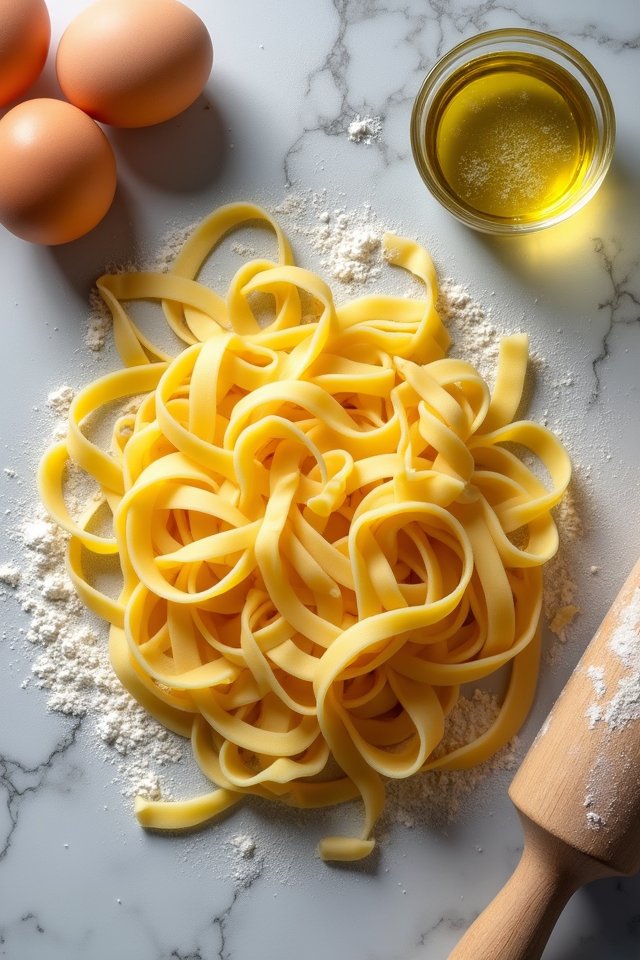
I’ll be honest — I used to think making gluten-free pasta from scratch was some kind of kitchen wizardry reserved for pasta masters. Turns out, it’s surprisingly straightforward once you understand the basics. The key is getting your flour blend right and not overthinking the process. Sure, gluten-free dough behaves a little differently than regular pasta dough, but that doesn’t mean it’s difficult. Let me walk you through exactly how to nail it every single time.
Why You’ll Love this Perfect Gluten-Free Pasta
This gluten-free pasta delivers everything you want from homemade noodles — that perfect tender-yet-firm bite, silky texture, and fresh flavor that makes store-bought versions seem like cardboard in comparison.
I’m talking about pasta that actually holds its shape when you twirl it on your fork, doesn’t turn mushy after two minutes in the pot, and tastes like, well, pasta instead of rice flour sadness.
The secret’s in getting that dough just right — smooth, elastic, and cooperative.
Once you nail the technique, you’ll wonder why you ever settled for those sad boxed alternatives.
Ingredients for Perfect Gluten-Free Pasta
The beauty of this gluten-free pasta lies in its simplicity — just six pantry-friendly ingredients that come together to create something truly magical. No weird additives, no mysterious powders that cost more than your rent, just honest ingredients that work hard to give you pasta that actually tastes like pasta.
Ingredients:
- 1 ¾ cups gluten-free all-purpose flour with xanthan gum (220 g)
- 1 tsp xanthan gum (omit if your flour blend already includes it)
- ½ tsp fine sea salt
- 3 large eggs
- 2 tbsp water (30 ml)
- 1 tbsp olive oil (15 ml)
The flour blend is your foundation here, and I always reach for one that already has xanthan gum mixed in — it saves you the guesswork and guarantees everything binds properly. If your blend doesn’t include it, don’t skip that extra teaspoon of xanthan gum; it’s what gives your pasta that stretchy, cooperative personality instead of crumbly chaos. Fresh eggs make a noticeable difference in both flavor and texture, so grab the good ones if you can. The water might seem minimal, but start with exactly what’s listed — gluten-free dough can go from perfect to sticky mess faster than you’d think, and you can always add a tiny bit more if needed.
How to Make this Perfect Gluten-Free Pasta
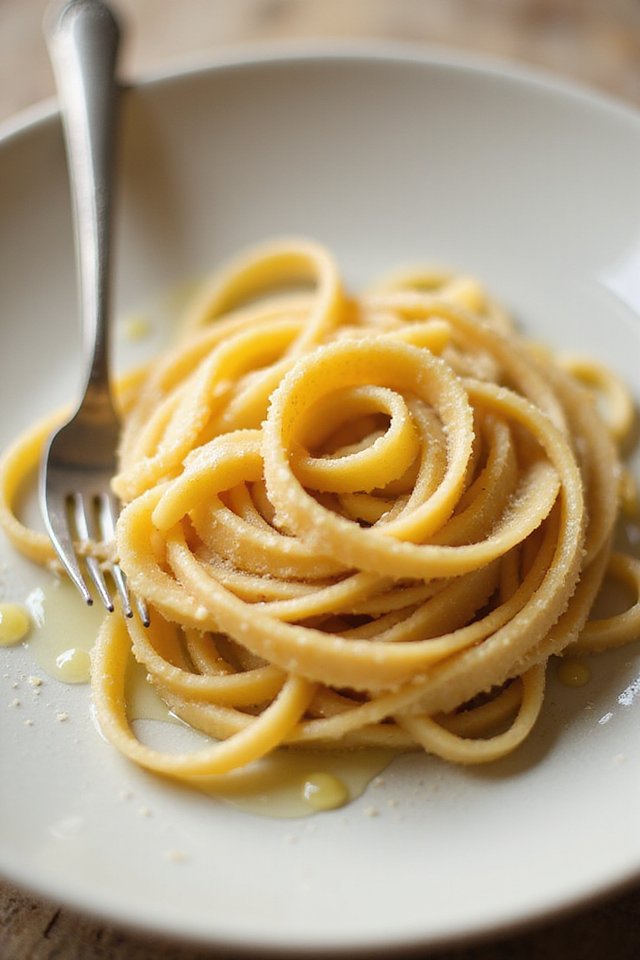
Making gluten-free pasta from scratch is honestly more forgiving than you’d expect — the key is giving the dough time to rest and not overthinking the process. Once you get the hang of it, you’ll wonder why you ever bought those expensive store-bought versions that taste like cardboard.
- Whisk together the gluten-free flour (1¾ cups/220g), xanthan gum (1 tsp — skip if your flour already has it), and salt (½ tsp) in a large mixing bowl until everything’s evenly distributed.
- Create a well in the center of your flour mixture, then crack in the eggs (3 large), add the water (2 tbsp/30 ml), and drizzle in the olive oil (1 tbsp/15 ml).
- Using a fork, start beating the wet ingredients together in the center, gradually pulling in flour from the edges until a shaggy dough begins to form — it’ll look messy at first, and that’s completely normal.
- Turn the dough out onto a lightly floured surface and knead for 5-7 minutes until it becomes smooth and elastic. I know it seems like forever, but this step is what transforms your mixture into actual pasta dough.
- Wrap the dough tightly in plastic wrap and let it rest at room temperature for 30 minutes — this gives the flour time to fully hydrate and makes rolling so much easier.
- Divide the rested dough into 4 equal portions, keeping the pieces you’re not working with covered so they don’t dry out.
- Roll each portion as thin as you can get it (about 1/16 to 1/8 inch thick) using a rolling pin or pasta machine, dusting with flour as needed to prevent sticking.
- Cut your rolled dough into whatever shapes you want — fettuccine, pappardelle, or even simple squares for a rustic look.
- Cook immediately in a large pot of boiling salted water for just 2-3 minutes until al dente. Fresh pasta cooks way faster than dried, so don’t walk away from the stove.
Additionally, using a gluten-free bread maker can help you easily prepare other gluten-free options at home.
Substitutions & Variations
While this basic recipe is pretty foolproof as-is, gluten-free pasta is actually super adaptable once you understand how the ingredients work together.
I love adding herbs like dried basil or oregano right into the flour — about a teaspoon does the trick. For richer flavor, swap one egg for two egg yolks.
Need it dairy-free? The recipe already is! Want colorful pasta? Spinach powder turns it gorgeous green, while a tablespoon of tomato paste creates beautiful orange noodles.
Just remember: any wet additions mean you’ll need a pinch more flour to keep the dough from getting sticky.
What to Serve with Perfect Gluten-Free Pasta
Once you’ve mastered this silky, tender pasta, the real fun begins with choosing what to toss it with.
I love keeping things simple with olive oil, garlic, and fresh herbs — let that beautiful texture shine. Classic marinara works perfectly, or try a creamy alfredo if you’re feeling indulgent.
Pesto clings wonderfully to homemade noodles. For something lighter, sauté vegetables with a splash of white wine and parmesan.
The key? Don’t overthink it. This pasta holds up to bold flavors but tastes incredible with just butter and black pepper.
Your gluten-free creation deserves whatever makes you happiest.
Final Thoughts
You know what? Making gluten-free pasta from scratch isn’t just about avoiding gluten — it’s about creating something genuinely delicious.
Sure, the dough feels different at first, and yes, you might need an extra sprinkle of flour here and there. But once you nail that smooth, elastic texture after kneading, you’ll realize this pasta holds its own against any wheat version.
The key is patience during that 30-minute rest period. Don’t rush it.
When you finally twirl those tender noodles on your fork, knowing you made them with your own hands? Pure satisfaction. Worth every single minute.