The Best Fluffy Pancakes recipe you will fall in love with. Full of tips and tricks to help you make the best pancakes.

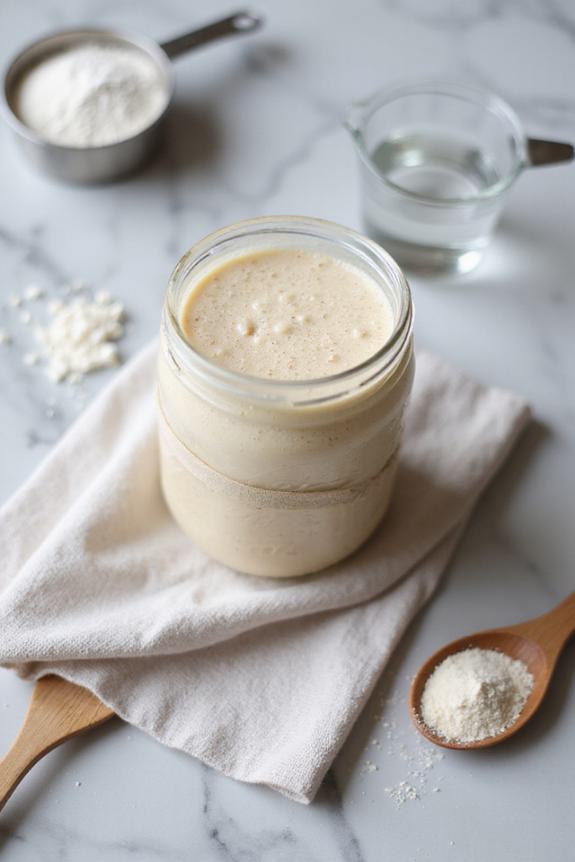
Why You’ll Love this Gluten-Free Sourdough Starter
Three reasons make this gluten-free sourdough starter absolutely worth the week-long wait.
First, it actually bubbles and rises — no sad, flat disappointments here. I’ve watched too many gluten-free starters fail, but this one develops that perfect tangy aroma and doubles in size like clockwork.
Second, you don’t need fancy flours. Brown rice or buckwheat work beautifully.
Third, once it’s active, you’ll have endless sourdough possibilities without worrying about gluten contamination. The process is surprisingly forgiving too. Miss a feeding by a few hours? No drama. This starter bounces back every time.
Ingredients for Gluten-Free Sourdough Starter
You only need two simple ingredients to create a thriving gluten-free sourdough starter, and chances are you already have everything in your pantry. This isn’t one of those recipes that sends you hunting through specialty stores — just basic flour and water will get you there.
- 1/4 cup (30 g) gluten-free flour (brown rice, buckwheat, or sorghum work great)
- 1/4 cup (60 ml) filtered water, room temperature
The flour choice matters more than you might think. Brown rice flour creates a mild, slightly sweet starter that’s super reliable. Buckwheat gives you earthier, more complex flavors — I love how bold it gets. Sorghum falls somewhere in the middle with a gentle nuttiness.
You can even mix different flours as you feed your starter over time. Just avoid anything with xanthan gum already added, since that can make things gummy.
And yes, filtered water really does make a difference. Chlorine kills the wild yeast we’re trying to cultivate, so skip the tap water if you can. Room temperature is key too — cold water slows everything down, and hot water? Well, that’s just mean to the microbes.
How to Make this Gluten-Free Sourdough Starter
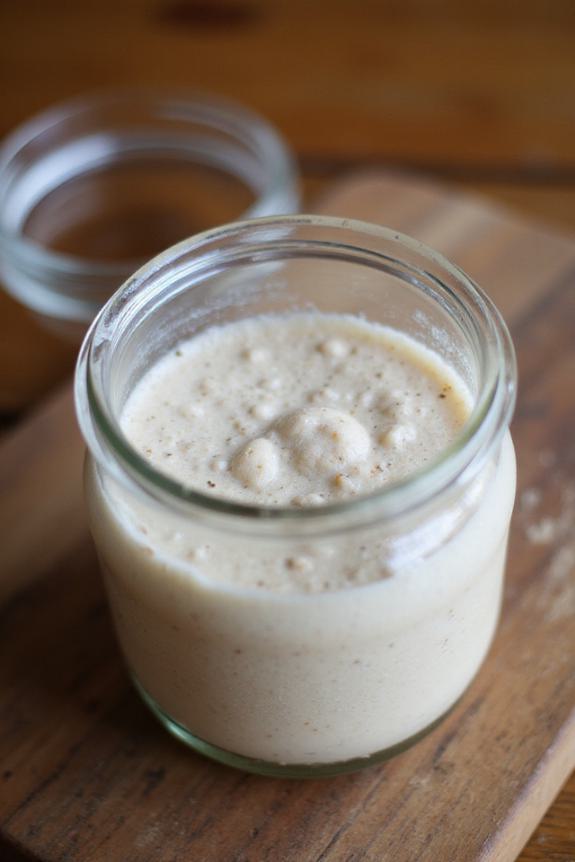
Making this starter is honestly way simpler than it sounds — think of it as a week-long science experiment that actually pays off. Start by mixing your 1/4 cup (30 g) gluten-free flour with 1/4 cup (60 ml) filtered water in a clean glass jar. I use a mason jar because it’s easy to see what’s happening, plus you can mark the side with a rubber band to track growth.
Stir everything together until it looks like thick pancake batter — no lumps, but don’t stress about perfection. Cover the jar loosely with a kitchen towel or plastic wrap with a few holes poked in it. You want airflow, but you don’t want fruit flies setting up camp. Find a cozy spot that stays around 70-75°F (21-24°C) — top of the fridge works great, or even just a counter away from drafty windows.
Now comes the waiting game, but it’s not passive waiting. After about 12 hours, give your starter a stir and feed it again with another 1/4 cup (30 g) flour and 1/4 cup (60 ml) water. Mix it well and cover it back up.
You’ll repeat this every 12 hours for the next 5-7 days, and honestly, it becomes oddly meditative. Day one and two? Pretty boring. Day three? You might see some bubbles forming — that’s the wild yeast waking up. By day five or six, your starter should be actively bubbling, doubling in size between feedings, and smelling pleasantly tangy instead of funky.
If the consistency gets too thick or thin, just adjust with a splash more water or a pinch more flour. Trust your instincts here. Once your starter is mature and consistently active, you can elevate your gluten-free baking by using a professional stand mixer to develop better texture and structure in your sourdough breads.
Substitutions & Variations
While brown rice flour is my go-to base for gluten-free sourdough starter, you’ve got plenty of wiggle room to experiment with different flours and find what works best in your kitchen.
Buckwheat flour creates a slightly tangy, earthy starter that I absolutely love. Sorghum flour produces a milder flavor that’s perfect if you’re feeding picky eaters.
You can even mix flours—half brown rice, half buckwheat works beautifully. Just keep your ratios consistent and stick with the same flour blend throughout the feeding process.
Different flours ferment at slightly different speeds, so don’t panic if timing varies.
What to Serve with Gluten-Free Sourdough Starter
Once your gluten-free sourdough starter hits its bubbly, active stride, a whole world of possibilities opens up beyond basic bread.
I love making fluffy pancakes that sizzle perfectly in the pan — just add eggs, milk, and a pinch of salt to your starter. Waffles work beautifully too, especially with that tangy kick.
For something savory, try crackers rolled thin and baked until golden. Pizza dough‘s another winner, though it needs a bit more flour to hold together.
Even muffins and quick breads benefit from that starter magic. Your taste buds won’t miss the gluten one bit.
Final Thoughts
Creating your own gluten-free sourdough starter really is one of those rewarding kitchen adventures that keeps giving back.
You’ll have fresh bread whenever you want, plus that amazing tangy flavor that only comes from real fermentation. Sure, it takes patience—about a week of feeding and waiting—but honestly, the daily ritual becomes oddly meditative.
I love checking on my starter each morning, watching those bubbles form and smelling that slightly sour aroma develop. Once it’s active, you’ve got endless possibilities: pancakes, waffles, pizza dough, and of course, incredible loaves.
Worth every single day of waiting.