The Best Fluffy Pancakes recipe you will fall in love with. Full of tips and tricks to help you make the best pancakes.

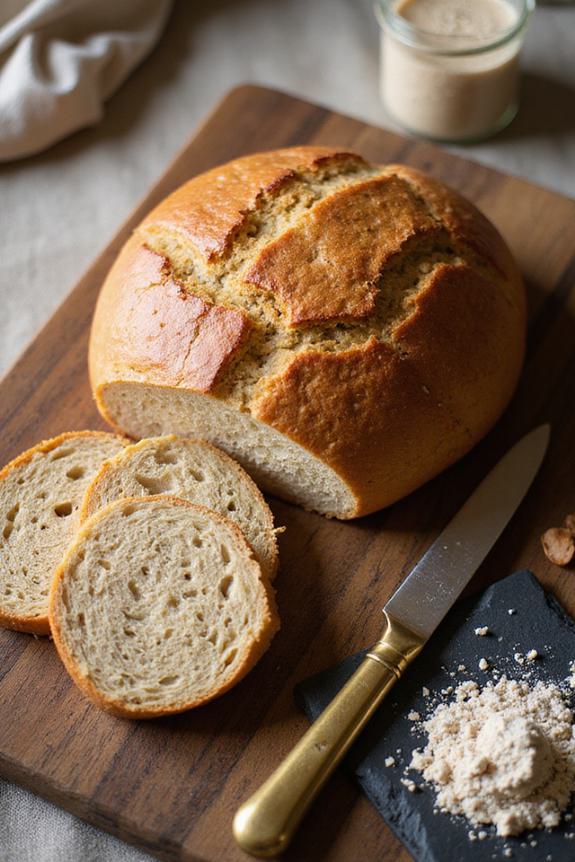
I’ve tested countless gluten-free sourdough recipes that promised the world but delivered dense, crumbly disappointment. Here’s the thing — most fail because they ignore how gluten-free flours behave differently during fermentation. This recipe actually works because it embraces those differences instead of fighting them. The secret lies in the right flour blend, proper hydration, and a technique that coaxes out that coveted chewy texture we’re all chasing. Trust me, your kitchen’s about to smell incredible.
Why You’ll Love this Gluten-Free Sourdough Bread
Why do I get so excited about gluten-free sourdough bread? Because this recipe actually delivers what most promise but fail to achieve — real bread texture and that tangy sourdough flavor we all crave.
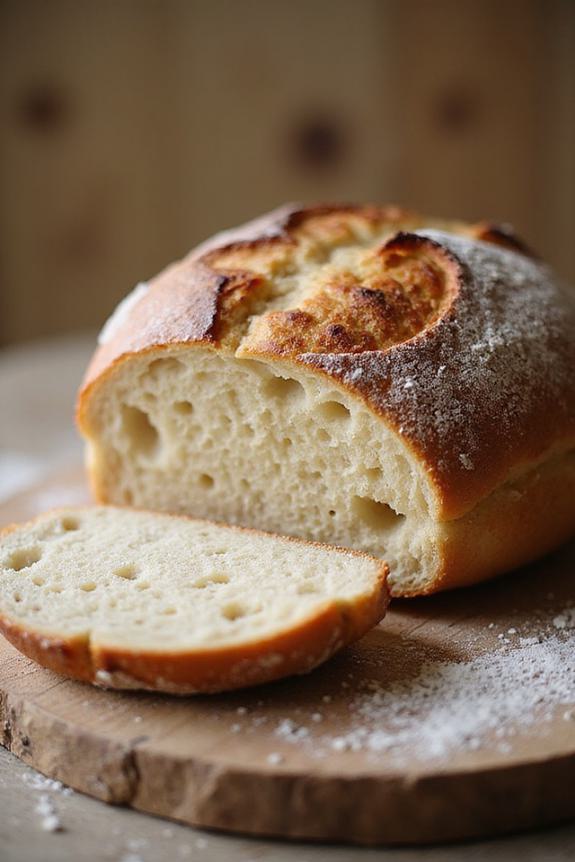
I’ve watched too many gluten-free loaves crumble into sad, dense bricks. Not this one. The psyllium husk works magic here, creating structure that holds together beautifully. You’ll get a golden crust that actually crisps up and an interior that’s tender, not gummy.
Plus, the fermentation process develops incredible depth of flavor. It’s bread that happens to be gluten-free, not gluten-free trying to be bread.
Ingredients for Gluten-Free Sourdough Bread
Getting your ingredients lined up is half the battle with gluten-free sourdough — and honestly, it’s way simpler than you might think. You’re not dealing with a grocery list that stretches around the block, just a handful of key players that work together beautifully.
Here’s what you’ll need:
- Gluten-free flour blend — 2 1/2 cups (320 g)
- Active gluten-free sourdough starter — 1/2 cup (120 g)
- Water — 1 cup (240 ml)
- Psyllium husk powder — 1 1/2 tbsp (12 g)
- Salt — 1 tsp (6 g)
- Olive oil — 1 tbsp (15 ml), optional but recommended
The psyllium husk powder is your secret weapon here — it’s what gives this bread its structure and prevents that dreaded crumbly mess. Don’t skip it or try to substitute with whole psyllium husks; the powder dissolves much better. Your gluten-free flour blend matters too. I stick with blends that include rice flour, potato starch, and tapioca starch for the best texture. Store-bought blends work perfectly fine, just make sure they don’t already contain xanthan gum since the psyllium is doing that job. And that olive oil? Technically optional, but it adds richness and helps with the crumb. Worth the extra tablespoon.
How to Make this Gluten-Free Sourdough Bread
- Start by mixing your psyllium husk powder [1 1/2 tbsp (12 g)] with the water [1 cup (240 ml)] in a small bowl. Let this sit for about 5 minutes until it forms a thick, gel-like consistency — it’ll look a bit weird, but that’s exactly what you want.
- In a large mixing bowl, combine your gluten-free flour blend [2 1/2 cups (320 g)], salt [1 tsp (6 g)], and active gluten-free sourdough starter [1/2 cup (120 g)]. Give it a quick stir to distribute everything evenly.
- Add the psyllium gel and olive oil [1 tbsp (15 ml)] if you’re using it. Mix everything together until you get a sticky, slightly shaggy dough — it won’t look smooth like regular bread dough, and that’s totally normal.
- Shape the dough into a round loaf with wet hands (trust me on this — wet hands prevent sticking), then place it on a piece of parchment paper. Cover with a damp kitchen towel and let it ferment at room temperature for 6-12 hours. Don’t expect it to double in size like regular sourdough — gluten-free dough is more subtle in its rise.
- About 30 minutes before your fermentation time is up, preheat your oven to 400°F (200°C). If you’re using a Dutch oven, toss that in there to heat up too.
- Carefully transfer your dough (on the parchment) into the hot Dutch oven, cover with the lid, and bake for 35 minutes.
- Remove the lid and continue baking for another 25-30 minutes until the crust is golden brown and sounds hollow when tapped. The internal temperature should hit around 200°F (93°C) if you want to be precise about it.
Substitutions & Variations
While this recipe works beautifully as written, I’ve learned that gluten-free baking is basically an invitation to experiment — and sometimes those happy accidents turn into your new favorite loaf.
I love swapping different flour blends — almond flour adds richness, while buckwheat brings earthy depth.
You can replace the water with buttermilk for tanginess or add a tablespoon of honey for subtle sweetness.
Seeds work magic here: sunflower, pumpkin, or sesame stirred right into the dough.
No psyllium husk? Ground flaxseed works in a pinch, though the texture changes slightly.
Each variation teaches you something new.
What to Serve with Gluten-Free Sourdough Bread
Once you’ve got this gorgeous loaf cooling on your counter, you’ll want to showcase that tangy, complex flavor with pairings that really sing.
I love thick slabs toasted with butter and jam — the sourdough tang plays beautifully against sweet preserves.
For savory options, try avocado toast with a sprinkle of everything seasoning, or make grilled cheese that’ll knock your socks off.
This bread also shines alongside hearty soups, especially tomato or butternut squash.
Don’t overlook breakfast French toast either — the slight density actually holds up perfectly to custard soaking.
Final Thoughts
Gluten-free sourdough bread isn’t just about finding a substitute — it’s about discovering something genuinely delicious in its own right.
I’ll be honest — this recipe takes patience, but that slow fermentation creates flavors you simply can’t rush. The tangy depth, the surprisingly tender crumb, the satisfying crust that actually crunches.
It’s bread that happens to be gluten-free, not gluten-free bread trying to be something else.
Don’t get discouraged if your first loaf isn’t perfect. Each attempt teaches you something new about your starter, your oven, your technique. Trust the process, embrace the journey.