The Best Fluffy Pancakes recipe you will fall in love with. Full of tips and tricks to help you make the best pancakes.

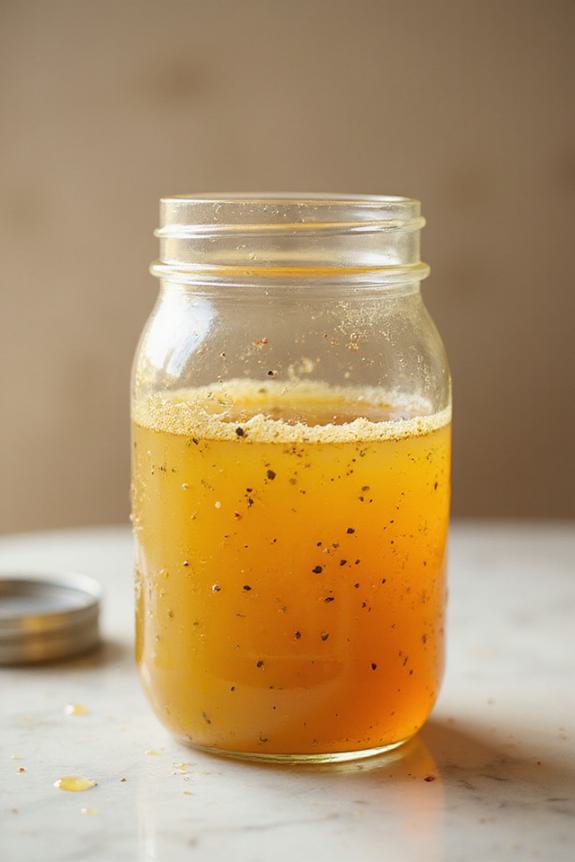
Why You’ll Love this Perfect Gluten-Free Vinaigrette
Since most store-bought dressings hide gluten in sneaky places like thickeners and flavor enhancers, this homemade vinaigrette becomes your reliable kitchen hero.
I love how it comes together in just five minutes — no fancy equipment needed. The beauty lies in its simplicity: quality olive oil, tangy vinegar, and a touch of Dijon for that perfect emulsion.
You control every ingredient, which means no mystery additives or gluten surprises. Plus, it tastes infinitely better than anything from a bottle. Fresh, bright, and completely customizable to your taste buds. Pure kitchen magic in a jar.
Ingredients for Perfect Gluten-Free Vinaigrette
This vinaigrette keeps things beautifully simple — just five pantry staples that probably live in your kitchen right now. I’m talking about ingredients so basic, you might wonder if there’s some kind of catch. Spoiler alert: there isn’t. The magic happens when these everyday heroes join forces to create something way better than the sum of their parts.
- ½ cup extra virgin olive oil (120 ml)
- 3 tablespoons wine vinegar or lemon juice (45 ml)
- 1 teaspoon Dijon mustard (5 ml)
- 1 teaspoon minced garlic, optional (5 ml)
- Salt and freshly ground black pepper, to taste
Quality matters more than quantity here, especially with that olive oil — it’s doing most of the heavy lifting flavor-wise. I always reach for extra virgin because it brings that fruity, peppery kick that makes salads sing. The Dijon mustard isn’t just for taste; it’s your secret emulsification weapon that keeps everything from separating into an oily mess. Wine vinegar works beautifully, but lemon juice adds a brighter, more citrusy punch — totally your call. And that garlic? Completely optional, but I rarely skip it because life’s too short for bland dressing.
How to Make this Perfect Gluten-Free Vinaigrette
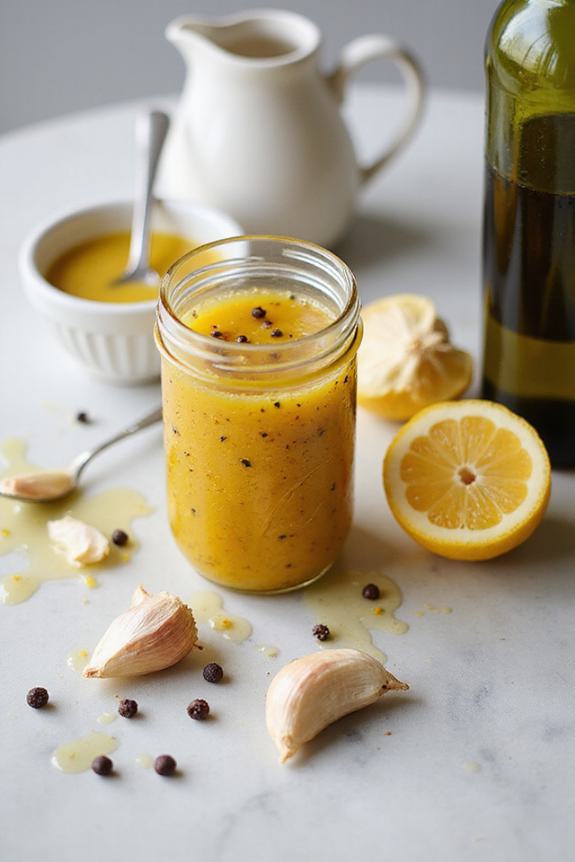
The actual making part is almost embarrassingly simple, but there’s a tiny bit of technique that makes all the difference. Start by combining your 3 tablespoons (45 ml) of wine vinegar or lemon juice with 1 teaspoon (5 ml) of Dijon mustard in a jar or bowl. This is where the magic begins — that mustard needs to get cozy with the acid first before we introduce the oil.
Now comes the only remotely tricky part: slowly whisk in that ½ cup (120 ml) of extra virgin olive oil until everything comes together in a smooth, creamy emulsion. I mean slowly — like, painfully slowly at first. Rush this step and you’ll end up with a sad, separated mess that looks more like a science experiment gone wrong.
Once you’ve got that beautiful emulsified base, stir in your 1 teaspoon (5 ml) of minced garlic if you’re using it, then season with salt and freshly ground black pepper to taste. Give it a final shake or whisk to make sure everything’s happy together.
The whole thing takes maybe five minutes, tops, and most of that’s just the patient whisking. Before you use it — and honestly, before every single use after that — give it a vigorous shake or whisk because vinaigrettes are natural rebels that like to separate when left alone. It’s not personal, it’s just physics.
If you’re planning to do more gluten-free cooking and baking, consider investing in a premium gluten free bakeware set to ensure your kitchen tools are completely safe for those with celiac disease or gluten sensitivity.
Substitutions & Variations
While this basic vinaigrette is absolutely lovely as-is, it’s basically a blank canvas begging for your personal touch.
I love swapping wine vinegar for balsamic or apple cider vinegar — each brings its own personality.
Try adding a teaspoon of honey for sweetness, or toss in fresh herbs like basil or thyme.
Want some kick? A pinch of red pepper flakes does wonders.
You can even substitute half the olive oil with avocado oil for a milder flavor.
Shallots work beautifully instead of garlic, and a splash of orange juice creates something totally unexpected.
What to Serve with Perfect Gluten-Free Vinaigrette
Now that you’ve got your flavor profile locked down, let’s talk about all the delicious ways to put this vinaigrette to work.
I love drizzling it over mixed greens, but don’t stop there. It’s fantastic on roasted vegetables — especially Brussels sprouts or carrots.
Try it as a marinade for grilled chicken or fish. Toss it with warm quinoa and fresh herbs for a simple side dish.
I even use it to brighten up leftover roasted potatoes.
The beauty of good vinaigrette? It makes everything taste more vibrant and pulls flavors together beautifully.
Final Thoughts
Making your own gluten-free vinaigrette is honestly one of those simple victories that changes how you think about salads forever.
You’ll never go back to store-bought bottles once you taste this bright, fresh version. I love how customizable it’s — swap lemon for vinegar, double the garlic, or add herbs from your garden.
The best part? You probably have everything you need right now. Keep a jar in your fridge, and suddenly every salad becomes special.
Trust me, this five-minute recipe will become your go-to. Simple ingredients, big flavor. That’s my kind of cooking.