The Best Fluffy Pancakes recipe you will fall in love with. Full of tips and tricks to help you make the best pancakes.

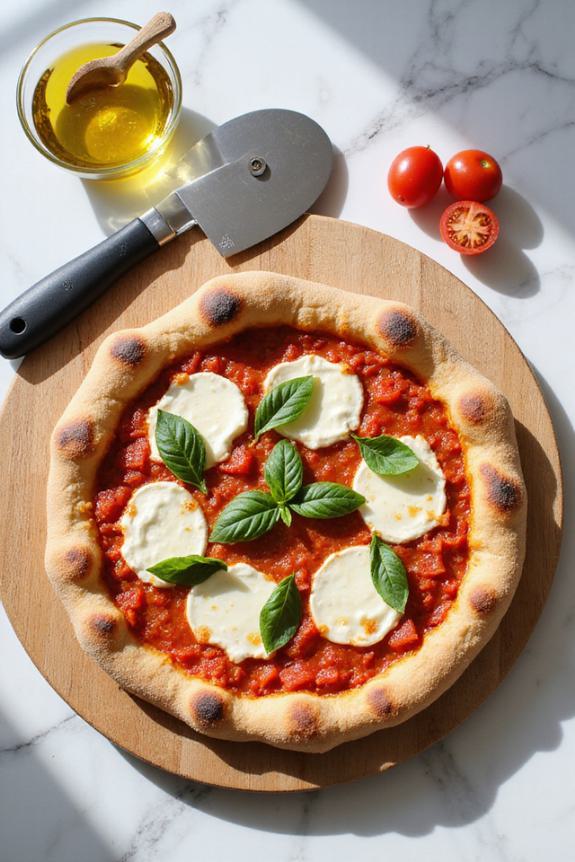
Why You’ll Love this Gluten-Free Pizza Crust That Actually Works
Why does every gluten-free pizza crust recipe promise the world and deliver cardboard?
I’ve cracked the code with this one, and here’s why you’ll actually want seconds. This crust gets crispy on the outside while staying tender inside — no sad, crumbly disasters here.
The secret? A carefully balanced flour blend plus that essential rest time that lets everything come together properly.
You don’t need fancy equipment or weird ingredients you’ll never use again. Just basic pantry staples and a little patience.
Trust me, this tastes like real pizza crust, not health food pretending to be pizza.
Ingredients for Gluten-Free Pizza Crust That Actually Works
Good news — this isn’t one of those recipes that sends you hunting through specialty stores for mysterious powders. Everything you need is probably sitting in your pantry right now, or at least easy to grab on your next grocery run.
- 1 cup (120g) gluten-free flour blend
- 1 tsp (5g) instant yeast
- 1 tsp (5g) sugar
- 1/2 tsp (3g) salt
- 1/2 tsp (3g) baking powder
- 1/2 cup (120ml) water
- 1 tbsp (15ml) extra virgin olive oil
The flour blend is doing the heavy lifting here, so don’t cheap out with single flours like rice flour alone — you want a proper blend that already has the binding agents mixed in. Most grocery stores carry decent options now. I always keep instant yeast on hand because it’s more reliable than active dry, but if you’ve got active dry, just proof it in the warm water first. The sugar isn’t for sweetness — it’s feeding the yeast and helping with that golden color we’re after. And that olive oil? It’s not optional. It keeps everything tender and adds flavor that makes this taste like actual pizza crust instead of gluten-free cardboard.
How to Make this Gluten-Free Pizza Crust That Actually Works
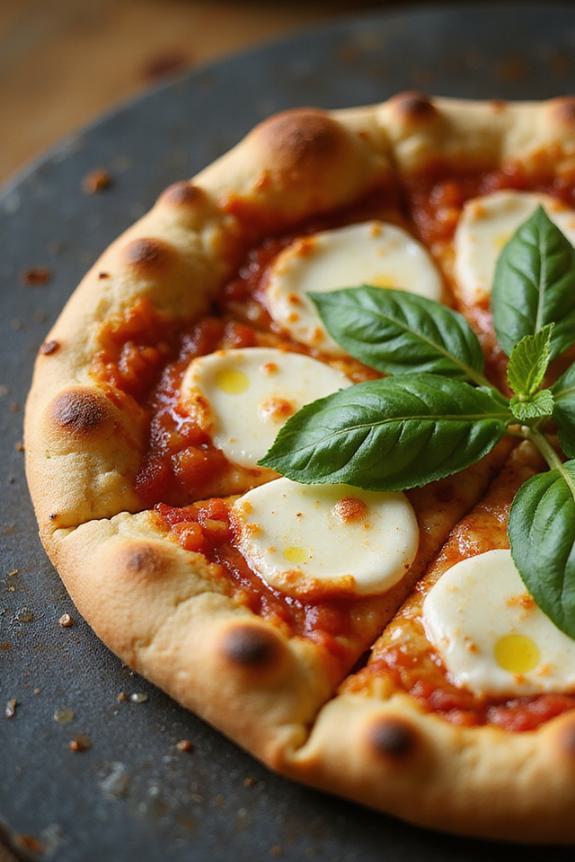
Start by mixing all your dry ingredients in a medium bowl — that’s 1 cup (120g) gluten-free flour blend, 1 tsp (5g) instant yeast, 1 tsp (5g) sugar, 1/2 tsp (3g) salt, and 1/2 tsp (3g) baking powder. Give them a good whisk to get everything evenly distributed.
Now here’s where people usually mess up: the water temperature matters. Heat 1/2 cup (120ml) water to exactly 110°F (43°C) — too hot and you’ll kill the yeast, too cool and nothing happens. I always use a thermometer because guessing is how you end up with pancake-flat pizza.
Pour that warm water into your dry ingredients and stir until it starts coming together, then add 1 tbsp (15ml) extra virgin olive oil and mix until you’ve got a soft, slightly sticky dough.
The dough won’t look like regular pizza dough — it’s more like a thick, shaggy batter at first, and that’s totally normal. Let it rest for about 10 minutes while you preheat your oven to 425°F (220°C). This little break gives the flour time to hydrate and makes shaping way easier.
When you’re ready, turn the dough onto a floured surface (use more of that gluten-free blend) and gently shape it into your pizza round. Don’t overthink it — rustic works perfectly fine here.
Transfer to a greased pizza pan or parchment-lined baking sheet, then bake for 15 minutes until it’s set and just starting to turn golden. Pull it out, add whatever toppings make you happy, then slide it back in for another 10-15 minutes until the edges are crispy and everything looks irresistible.
If you find yourself making gluten-free crusts regularly, investing in a gluten free bread maker can help you prepare consistent dough bases with perfectly controlled mixing and rising cycles.
Substitutions & Variations
This recipe’s pretty flexible once you get the hang of it, and honestly, that’s where the fun begins.
Can’t find a gluten-free flour blend? Try almond flour mixed with tapioca starch — about 3:1 ratio works well.
I swap the sugar for honey sometimes, which adds a subtle richness. No instant yeast? Active dry yeast works too, just proof it first in that warm water.
For herbs, I toss in dried oregano or garlic powder right into the flour mix.
Want it dairy-free? You’re already there. The olive oil keeps everything tender without butter.
What to Serve with Gluten-Free Pizza Crust That Actually Works
While this gluten-free crust holds its own beautifully, the right sides can turn your pizza night into something really special.
I love serving a crisp Caesar salad — the cool crunch balances all that warm, cheesy goodness perfectly.
Garlic knots made from leftover dough are always a hit, brushed with herb butter until they’re golden and fragrant.
For something lighter, try roasted vegetables like zucchini or bell peppers with a good pinch of sea salt.
And honestly? A simple arugula salad with lemon vinaigrette cuts through rich toppings beautifully.
Keep it simple, keep it fresh.
Final Thoughts
Making gluten-free pizza at home isn’t just about avoiding wheat — it’s about discovering that you don’t have to compromise on flavor or texture to eat well.
This crust recipe gives you that chewy-crispy balance we all crave, and honestly, I’ve served it to gluten-eating friends who couldn’t tell the difference.
The key is treating your dough gently and letting time work its magic.
Don’t rush the resting step — those extra minutes transform your pizza from “meh” to “wow.”
Trust the process, embrace the slight messiness, and enjoy every single bite of your homemade creation.