The Best Fluffy Pancakes recipe you will fall in love with. Full of tips and tricks to help you make the best pancakes.

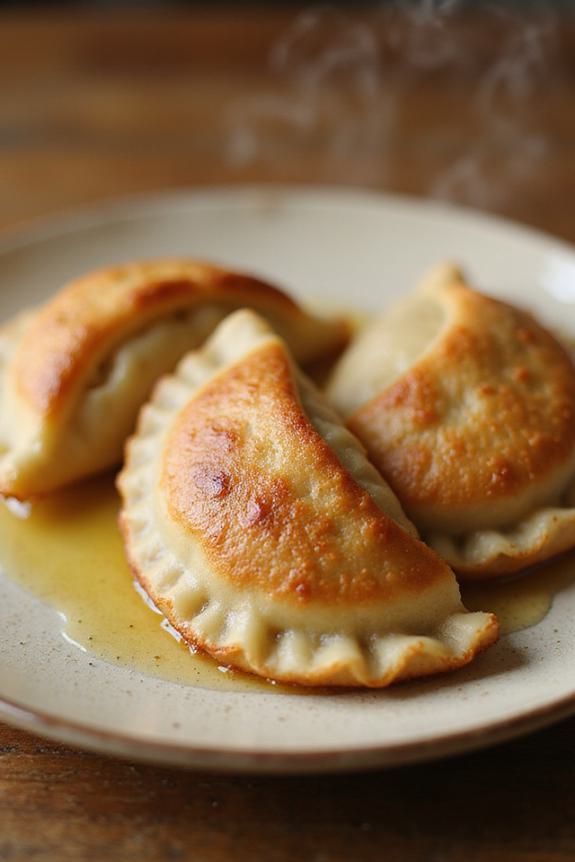
Why You’ll Love these Gluten-Free Pierogi
When you bite into these gluten-free pierogi, you’ll wonder why anyone ever thought giving up gluten meant giving up comfort food. These little pockets of joy deliver all the tender, chewy satisfaction you’re craving.
The dough rolls beautifully — no cracking or crumbling like some gluten-free recipes that shall remain nameless. I love how they hold their shape during boiling, then get perfectly golden when you pan-fry them.
Plus, they freeze like champions for busy weeknight dinners. Whether you stuff them with potato, cheese, or sauerkraut, they taste exactly like the pierogi you remember. No compromises here.
Ingredients for Gluten-Free Pierogi
The beauty of gluten-free pierogi lies in how simple the ingredient list really is. You probably have most of these pantry staples sitting around already, and the few you might need to grab are totally worth it for homemade pierogi that actually taste like the real deal.
- 2 cups (270 g) gluten-free all-purpose flour
- 1/2 tsp salt
- 1/4 cup (60 ml) extra virgin olive oil
- 1 large egg or egg substitute
- 1/4 cup (60 g) sour cream or non-dairy alternative
- 1/4 cup (+/-) very warm water
The gluten-free flour blend you choose makes a difference here — I always reach for one that includes xanthan gum since it helps the dough hold together beautifully. If your blend doesn’t have it, add about 1/2 teaspoon.
The sour cream is your secret weapon for that tender texture, but Greek yogurt works in a pinch if that’s what you’ve got. Don’t stress too much about the water measurement — gluten-free doughs can be moody depending on humidity, so start with less and add more as needed.
The dough should feel soft and pliable, not sticky or dry.
How to Make these Gluten-Free Pierogi
Making gluten-free pierogi dough is honestly pretty straightforward once you get the hang of it. Start by mixing your 2 cups (270 g) gluten-free all-purpose flour and 1/2 teaspoon salt in a large bowl — I like to whisk them together so there aren’t any salt clumps lurking around.
Then add your 1/4 cup (60 ml) extra virgin olive oil, 1 large egg, and 1/4 cup (60 g) sour cream all at once. Here’s where it gets fun: gradually pour in that 1/4 cup (60 ml) very warm water while you start mixing everything together. The dough might look shaggy at first, but don’t panic. Knead it right in the bowl until it starts coming together, then turn it out onto a clean surface and keep kneading until it’s smooth and feels pliable — about 5 minutes of good kneading usually does the trick.
Once your dough is ready, let it rest for about 30 minutes. Trust me on this one — rested dough rolls out like a dream compared to dough that’s still stressed from all that kneading.
Roll it out on a floured surface until it’s about 1/8-inch thick, then cut circles using a large glass or round cookie cutter. Place a spoonful of your favorite filling in the center of each circle, fold it over into a half-moon shape, and pinch those edges tight to seal — you really want to press firmly so they don’t burst open during cooking.
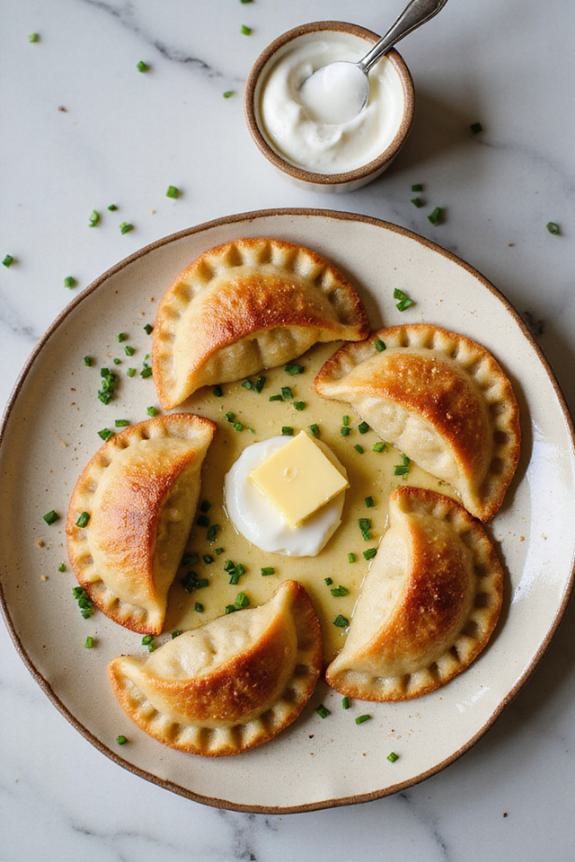
Drop them into a pot of boiling salted water and wait for them to float, which usually takes about 3-4 minutes. At this point they’re ready to eat, but I always give mine a quick pan-fry in butter or oil until they’re golden and a little crispy on the outside. That contrast between the tender dumpling and the crispy exterior? Pure magic.
If you’re planning to make gluten-free pierogi regularly, consider investing in a gluten free bread maker that can also handle dough preparation to streamline your cooking process.
Substitutions & Variations
Flexibility really is the beauty of this recipe — you can swap out almost every ingredient to match your dietary needs or whatever’s hanging out in your fridge.
I use coconut oil instead of olive oil sometimes, and it adds this subtle sweetness that’s lovely.
Vegan? Skip the egg and sour cream for plant-based versions — cashew cream works beautifully.
Different gluten-free flour blends behave slightly differently, so don’t stress if you need extra water or flour to get the right consistency.
The dough should feel smooth, not sticky or crumbly.
Trust your hands on this one.
What to Serve with Gluten-Free Pierogi
Once you’ve got those beautiful gluten-free pierogi ready to go, the fun really starts with choosing what goes alongside them.
I love serving them with caramelized onions – just sauté sliced onions until golden and sweet. A dollop of sour cream is classic, but I also reach for Greek yogurt mixed with fresh chives.
For something heartier, try crispy bacon bits or kielbasa slices. Steamed vegetables like green beans or roasted Brussels sprouts add nice color and crunch.
Apple sauce works surprisingly well too, especially with potato-filled pierogi.
Keep it simple – these little dumplings shine without too much competition.
Final Thoughts
When you bite into your first homemade gluten-free pierogi, you’ll realize this recipe isn’t just about avoiding gluten — it’s about creating something genuinely delicious that happens to be gluten-free.
The dough holds together beautifully, the filling stays put, and that satisfying chew? It’s all there.
I’ve tweaked this recipe until it works every single time, no weird aftertaste or crumbly disasters.
Sure, it takes practice to get the sealing technique down, but once you nail it, you’ll have a go-to recipe that’ll impress everyone at your table.
Trust me on this one.