The Best Fluffy Pancakes recipe you will fall in love with. Full of tips and tricks to help you make the best pancakes.

Why You’ll Love these Gluten-Free English Muffins That Actually Work
When you’ve been disappointed by dense, cardboard-like gluten-free English muffins one too many times, you start to wonder if the real deal is just a distant memory.
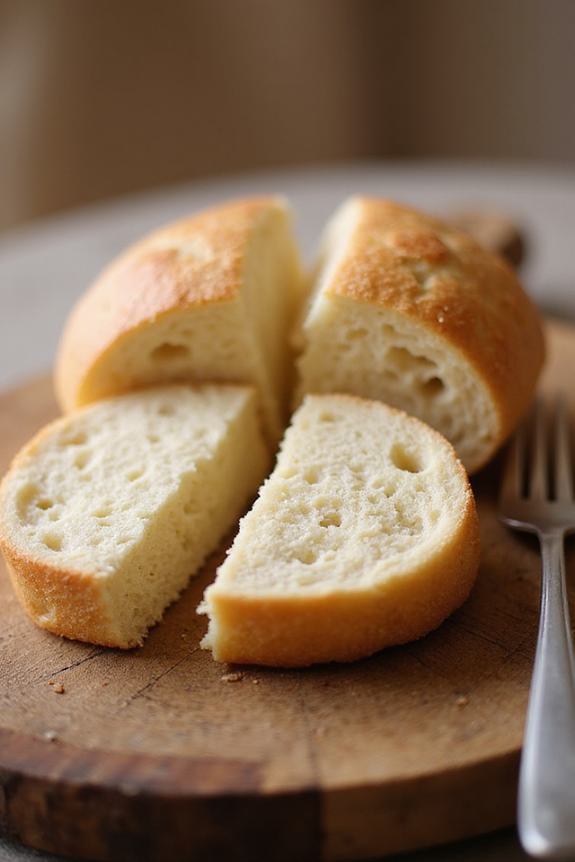
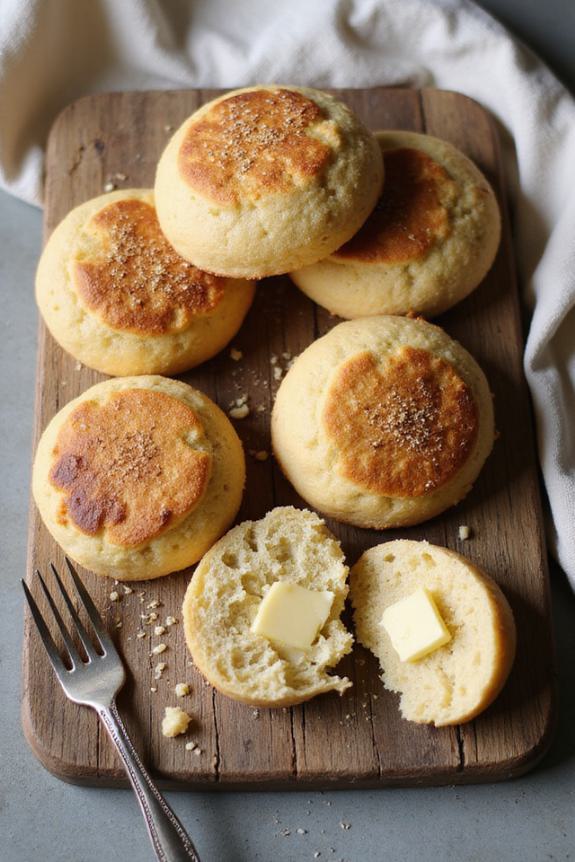
But here’s the thing — these actually deliver on that perfect nooks-and-crannies texture you’re craving. They’re tender inside with just enough chew, and they split beautifully with a fork. No weird aftertaste or gummy center.
The secret? A combination of gluten-free flour and tapioca that mimics traditional wheat perfectly. Plus, they freeze like champions, so you can toast one whenever the craving hits.
Game-changer territory, honestly.
Ingredients for Gluten-Free English Muffins That Actually Work
The ingredient list here is invigoratingly straightforward — no hunting down weird specialty items or breaking the bank. Most of these are probably already hanging out in your pantry, and the few that aren’t are easy to grab at any decent grocery store.
The real magic happens when they all come together, so don’t skip anything or try to make substitutions just yet.
- 2¼ cups (315 g) gluten-free all-purpose flour
- 2¼ teaspoons (6.4 g) xanthan gum (omit if your flour blend already contains it)
- ¼ cup (30 g) tapioca flour
- 1 tablespoon (12 g) granulated sugar
- 2 teaspoons (6 g) instant yeast
- 1½ teaspoons (9 g) kosher salt
- 1½ cups (360 ml) milk, warm
- ½ teaspoon (2.5 ml) apple cider vinegar
- 1 egg white (about 25 g), room temperature
- 1 tablespoon (14 g) neutral oil
A couple of things to keep in mind: check your gluten-free flour blend’s label before adding that xanthan gum — some blends already include it, and doubling up will make your muffins weirdly bouncy.
The tapioca flour is what gives these their chewy, authentic texture, so don’t swap it out for more all-purpose flour. When I say warm milk, think baby-bottle temperature — hot enough to activate the yeast but not so hot it kills the poor little guys.
And that single egg white? Save the yolk for scrambled eggs tomorrow. Waste not, want not.
How to Make these Gluten-Free English Muffins That Actually Work
The actual mixing process couldn’t be simpler — start by whisking together your dry ingredients: 2¼ cups (315 g) gluten-free all-purpose flour, 2¼ teaspoons (6.4 g) xanthan gum (skip this if your flour blend already has it), ¼ cup (30 g) tapioca flour, 1 tablespoon (12 g) granulated sugar, 2 teaspoons (6 g) instant yeast, and 1½ teaspoons (9 g) kosher salt in a large bowl. For easier mixing of these ingredients, consider using a stand mixer designed specifically for gluten-free baking.
Then comes the wet team: pour in 1½ cups (360 ml) warm milk, ½ teaspoon (2.5 ml) apple cider vinegar, 1 egg white (about 25 g) at room temperature, and 1 tablespoon (14 g) neutral oil.
Mix everything until you get a smooth batter — it’ll be stickier than regular bread dough, which is totally normal. Cover the bowl and let it rise at room temperature for a full hour, then pop it in the fridge for 30 minutes. This chilling step is pure gold for making the dough easier to handle.
Once your dough has done its time, turn it out onto a floured surface and gently divide it into 6 equal portions. Shape each piece into a ball, dust them with cornmeal (this prevents sticking and adds that classic English muffin texture), and let them rise for another 30 minutes.
Heat a lightly greased skillet or griddle over medium-low heat — patience is key here because too much heat will burn the outside before the inside cooks through. Fry each muffin for 3-5 minutes per side until they’re golden brown and sound hollow when tapped. Finish them off in a 350°F (180°C) oven for about 5 minutes to make sure they’re cooked all the way through.
Let them cool completely before splitting — and here’s the essential part: always use a fork to split them, never a knife. The fork creates those perfect nooks and crannies that make English muffins so irresistible.
Substitutions & Variations
Flexibility makes this recipe even better — you can swap ingredients based on what’s hiding in your pantry or your dietary needs.
Try oat flour for half the all-purpose blend if you want extra heartiness. Dairy-free milk works perfectly — I reach for unsweetened almond or oat milk most often.
Skip the egg white and add an extra tablespoon of oil for vegan muffins, though they’ll be slightly denser. A pinch of garlic powder or dried herbs transforms these into savory versions.
Want sweetness? Cinnamon and a touch more sugar create breakfast-worthy treats.
What to Serve with Gluten-Free English Muffins That Actually Work
Once you’ve mastered these muffins, the real fun begins — deciding what deserves a spot on top of all those perfect nooks and crannies.
I’m partial to classic butter and jam, but these beauties handle heartier toppings beautifully. Try cream cheese with smoked salmon, or go breakfast sandwich style with scrambled eggs and cheese. The crispy exterior holds up to avocado and everything seasoning too.
For something sweet, almond butter with sliced banana never disappoints. Even simple cinnamon butter feels special on homemade muffins.
Whatever you choose, toast them first — those toasted edges make everything better.
Final Thoughts
Making gluten-free English muffins at home isn’t just about avoiding store-bought disappointments — it’s about creating something genuinely worth getting excited about.
These muffins prove that gluten-free baking can deliver texture and flavor that rivals traditional versions. The key lies in patience with the rising times and proper splitting technique with a fork.
Once you’ve mastered this recipe, you’ll wonder why you ever settled for dense, crumbly alternatives. Sure, it takes practice, but the satisfaction of pulling apart a perfectly nook-and-crannied muffin makes every minute worthwhile.
Your breakfast routine will never be the same.